

How to choose the appropriate version of T5 integrated?
Nov 03, 2025
When it comes to lighting solutions, T5 integrated lighting has emerged as a popular choice for many commercial and residential applications. As a T5 integrated supplier, I understand the importance of helping customers choose the appropriate version of T5 integrated lighting for their specific needs. In this blog post, I will share some key factors to consider when making this decision.

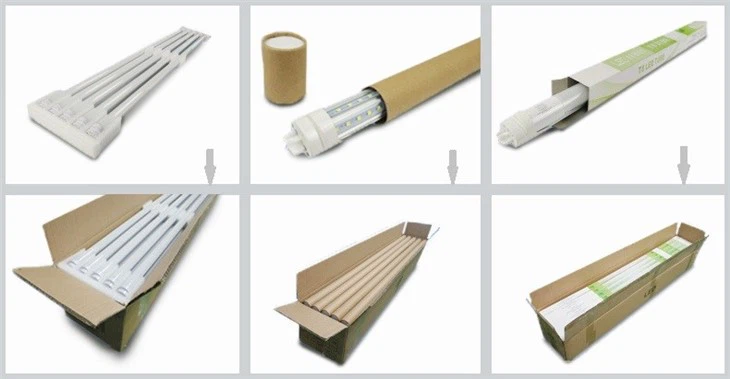
Understanding T5 Integrated Lighting
Before delving into the selection process, it's essential to have a basic understanding of what T5 integrated lighting is. T5 integrated lighting refers to a type of linear fluorescent or LED lighting system where the ballast and the lamp are combined into a single unit. This design offers several advantages, including ease of installation, energy efficiency, and long lifespan.
Factors to Consider When Choosing a T5 Integrated Version
1. Lighting Requirements
The first step in choosing the appropriate version of T5 integrated lighting is to assess your lighting requirements. Consider the following aspects:
- Illumination Level: Determine the amount of light needed for the space. Different areas, such as offices, warehouses, or retail stores, have varying illumination requirements. For example, offices typically require higher levels of illumination for tasks like reading and computer work, while warehouses may need less intense lighting.
- Color Temperature: Color temperature affects the mood and appearance of a space. It is measured in Kelvin (K). Lower color temperatures (around 2700K - 3000K) produce warm, yellowish light, which is suitable for creating a cozy and inviting atmosphere. Higher color temperatures (5000K - 6500K) produce cool, bluish - white light, which is ideal for areas where high visibility and concentration are required, such as hospitals and laboratories.
- Color Rendering Index (CRI): CRI measures how accurately a light source renders colors compared to natural light. A higher CRI (Ra) value, typically between 80 - 100, indicates better color rendering. Spaces where accurate color representation is crucial, such as art galleries or clothing stores, require a high - CRI T5 integrated lighting system.
2. Energy Efficiency
Energy efficiency is a significant consideration, not only for cost - savings but also for environmental reasons. Look for T5 integrated lighting systems with high luminous efficacy, which is the measure of how efficiently a light source converts electrical energy into visible light. LED T5 integrated tubes are generally more energy - efficient than traditional fluorescent T5 tubes. They consume less power while providing the same or higher levels of illumination. For example, an LED T5 integrated tube can use up to 50% less energy than a fluorescent T5 tube, resulting in substantial long - term savings on electricity bills.
3. Lifespan
The lifespan of a T5 integrated lighting system is an important factor, especially for commercial applications where frequent bulb replacements can be costly and disruptive. LED T5 integrated tubes have a much longer lifespan compared to fluorescent T5 tubes. While fluorescent tubes typically last around 10,000 - 20,000 hours, LED T5 integrated tubes can last up to 50,000 - 100,000 hours. This means fewer replacements and less maintenance over time.
4. Compatibility and Installation
Ensure that the T5 integrated lighting system you choose is compatible with your existing fixtures or the new fixtures you plan to install. Consider the following:
- Socket Type: Different T5 integrated tubes may have different socket types. Make sure the socket type of the tube matches the fixture.
- Ballast Compatibility: If you are replacing existing fluorescent T5 tubes with LED T5 integrated tubes, you need to check if the existing ballast is compatible with the new LED tubes. In some cases, you may need to remove the ballast and rewire the fixture for direct - wire LED installation.
5. Cost
Cost is always a factor in any purchasing decision. When comparing different versions of T5 integrated lighting, consider both the upfront cost and the long - term cost. LED T5 integrated tubes may have a higher upfront cost than fluorescent T5 tubes, but their energy efficiency and longer lifespan can result in significant cost savings over time. Additionally, some utility companies offer rebates or incentives for installing energy - efficient lighting systems, which can help offset the initial investment.
Our Product Offerings
As a T5 integrated supplier, we offer a wide range of high - quality T5 integrated lighting products to meet different customer needs. Our product line includes:
- 4ft Lighting Led Tubes Integrated T5: These 4 - foot LED tubes are suitable for a variety of applications, such as office lighting, retail lighting, and industrial lighting. They are energy - efficient, have a high CRI, and a long lifespan.
- T5 LED Integrated Tube Light: Our T5 LED integrated tube lights are designed for easy installation and provide excellent illumination. They are available in different color temperatures and CRI values to suit different spaces.
- T5 LED Tube Lights: Our T5 LED tube lights offer a cost - effective and energy - efficient lighting solution. They are available in various lengths and wattages to meet different lighting requirements.
Conclusion
Choosing the appropriate version of T5 integrated lighting requires careful consideration of factors such as lighting requirements, energy efficiency, lifespan, compatibility, and cost. By understanding these factors and evaluating your specific needs, you can make an informed decision that will provide you with the best lighting solution for your space.
If you are interested in learning more about our T5 integrated lighting products or have any questions regarding the selection process, please feel free to contact us. We are here to assist you in finding the perfect T5 integrated lighting solution for your project.
References
- Lighting Research Center. (2023). Lighting Basics: Color Temperature and Color Rendering Index.
- U.S. Department of Energy. (2023). Energy - Efficient Lighting.