

What is the impact of temperature on the performance of LED T8 6500K?
Jun 20, 2025
As a supplier of LED T8 6500K lights, I've witnessed firsthand the importance of understanding how temperature affects the performance of these lighting solutions. In this blog, I'll delve into the scientific aspects of temperature's impact on LED T8 6500K lights, and provide insights based on my experience in the industry.
Understanding LED T8 6500K Lights
LED T8 6500K lights are a popular choice for various applications, including commercial spaces, offices, and grow rooms. The 6500K color temperature represents a cool white light, similar to natural daylight. This color temperature is known for its ability to enhance visibility, reduce eye strain, and promote productivity.
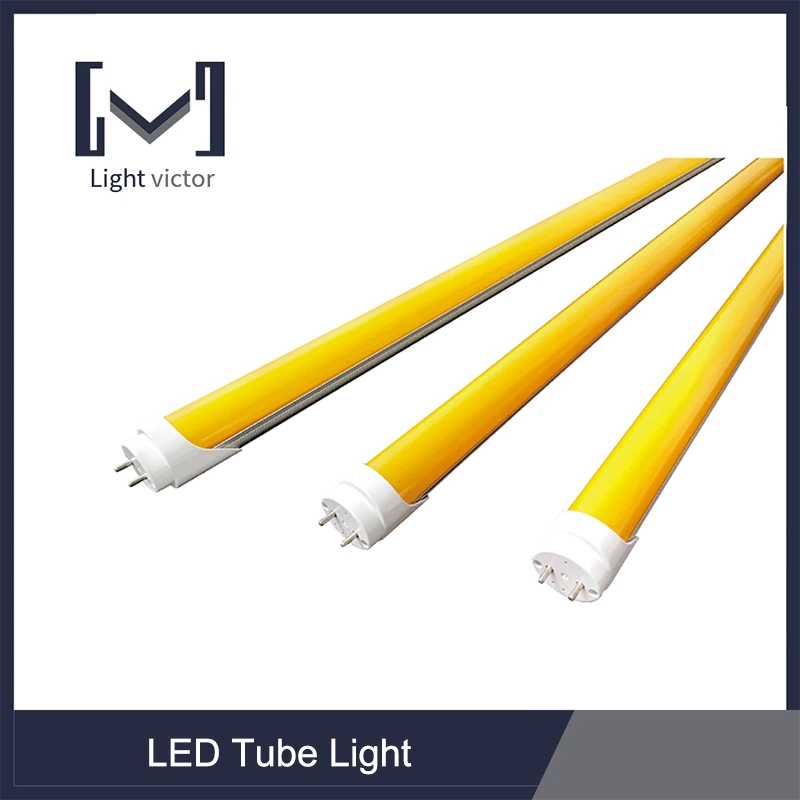

Before we explore the impact of temperature, let's briefly understand how LED T8 6500K lights work. LEDs, or light-emitting diodes, are semiconductor devices that convert electrical energy into light. Unlike traditional incandescent bulbs, which produce light by heating a filament, LEDs emit light through a process called electroluminescence. This makes them more energy-efficient, durable, and longer-lasting.
Impact of Temperature on Light Output
One of the most significant impacts of temperature on LED T8 6500K lights is on their light output. As the temperature increases, the light output of LEDs tends to decrease. This phenomenon is known as thermal droop. When an LED operates at high temperatures, the internal resistance of the semiconductor material increases, which reduces the efficiency of the light-emitting process.
For example, in a hot environment such as a grow room with poor ventilation, the temperature can rise significantly. If the LED T8 6500K lights are not properly cooled, their light output may decrease by up to 30% compared to their rated output at normal temperatures. This reduction in light output can have a direct impact on the performance of the lighting system, especially in applications where consistent light levels are crucial, such as plant growth or visual inspection.
On the other hand, extremely low temperatures can also affect the light output of LED T8 6500K lights. At very low temperatures, the chemical reactions within the LED may slow down, resulting in a decrease in light output. However, this effect is generally less significant than the impact of high temperatures.
Impact of Temperature on Color Rendering Index (CRI)
The Color Rendering Index (CRI) is a measure of how accurately a light source renders colors compared to natural light. A high CRI value indicates that the light source can reproduce colors more accurately. Temperature can have an impact on the CRI of LED T8 6500K lights.
As the temperature increases, the CRI of LEDs may decrease slightly. This is because the spectral distribution of the light emitted by the LED changes with temperature. At high temperatures, the peak wavelength of the light may shift slightly, which can affect the way colors are perceived. However, modern LED T8 6500K lights are designed to maintain a relatively stable CRI over a wide range of temperatures.
In most cases, the change in CRI due to temperature is not noticeable to the human eye. However, in applications where color accuracy is critical, such as in art galleries or photography studios, it's important to choose LED T8 6500K lights that are specifically designed to maintain a high CRI even at elevated temperatures.
Impact of Temperature on Lifespan
Temperature also plays a crucial role in determining the lifespan of LED T8 6500K lights. LEDs are sensitive to heat, and prolonged exposure to high temperatures can significantly reduce their lifespan. When an LED operates at high temperatures, the internal components of the LED can degrade more quickly, leading to a shorter lifespan.
For instance, if an LED T8 6500K light is installed in a poorly ventilated fixture or in an environment with high ambient temperatures, the heat generated by the LED may not be dissipated effectively. This can cause the temperature of the LED to rise above its recommended operating temperature, accelerating the aging process and reducing the lifespan of the light.
To ensure a long lifespan for LED T8 6500K lights, it's important to provide proper heat dissipation. This can be achieved through the use of heat sinks, fans, or other cooling mechanisms. Additionally, choosing high-quality LEDs with good thermal management properties can also help to extend the lifespan of the lights.
Impact of Temperature on Efficiency
Efficiency is another important factor affected by temperature. As mentioned earlier, high temperatures can cause thermal droop, which reduces the light output of LEDs. This means that more electrical energy is being converted into heat rather than light, resulting in a decrease in efficiency.
In addition to thermal droop, high temperatures can also increase the power consumption of LED T8 6500K lights. When the temperature rises, the resistance of the LED driver may increase, which can cause the driver to consume more power to maintain the same current through the LED. This can further reduce the overall efficiency of the lighting system.
To improve the efficiency of LED T8 6500K lights, it's essential to keep the temperature within the recommended operating range. This can be achieved by proper installation, ventilation, and the use of efficient heat dissipation methods.
Mitigating the Impact of Temperature
As a supplier of LED T8 6500K lights, I understand the importance of mitigating the impact of temperature on the performance of these lights. Here are some strategies that can be used to minimize the effects of temperature:
- Proper Installation: Ensure that the LED T8 6500K lights are installed in a well-ventilated area. Avoid installing them in enclosed fixtures or in areas with poor air circulation.
- Heat Dissipation: Use heat sinks, fans, or other cooling mechanisms to dissipate the heat generated by the LEDs. This can help to keep the temperature of the LEDs within the recommended operating range.
- Choose High-Quality Products: Select LED T8 6500K lights from reputable manufacturers that are designed to withstand a wide range of temperatures. High-quality LEDs often have better thermal management properties, which can help to reduce the impact of temperature on performance.
- Monitoring and Control: Install temperature sensors to monitor the temperature of the LED T8 6500K lights. If the temperature exceeds the recommended range, take appropriate measures to cool the lights, such as adjusting the ventilation or reducing the power input.
Our Product Offerings
At our company, we offer a wide range of LED T8 6500K lights that are designed to perform well in various temperature conditions. Our LED T8 Grow Light is specifically designed for plant growth applications and is equipped with advanced heat dissipation technology to ensure consistent light output and long lifespan.
We also offer UV Anti T8 LED Tube Light, which provides protection against UV radiation and is suitable for use in environments where UV protection is required. Additionally, our R17D T8 LED Tube Light is a high-performance option that offers excellent color rendering and energy efficiency.
Conclusion
In conclusion, temperature has a significant impact on the performance of LED T8 6500K lights. It affects light output, color rendering index, lifespan, and efficiency. As a supplier, we understand the importance of providing high-quality LED T8 6500K lights that can withstand a wide range of temperatures. By following the strategies mentioned above, you can minimize the impact of temperature on the performance of your LED lighting system.
If you're interested in learning more about our LED T8 6500K lights or have any questions about temperature and LED performance, please don't hesitate to contact us. We're here to help you choose the right lighting solutions for your needs and ensure optimal performance in any environment.
References
- "LED Lighting Handbook" by Chris Zukowski
- "Solid-State Lighting Technology and Applications" by Nadarajah Narendran