

How do g5 pin t8 bulbs perform in cold temperatures?
Jul 15, 2025
Hey there! As a supplier of G5 pin T8 bulbs, I've gotten a ton of questions about how these bulbs perform in cold temperatures. So, I thought I'd sit down and write this blog to share some insights based on my experience and what I've learned about these lighting products.
Let's start with a bit of background. G5 pin T8 bulbs are a popular choice for many lighting applications. They're known for their energy - efficiency, long lifespan, and relatively easy installation. But when the temperature drops, things can get a bit tricky.
How Cold Temperatures Affect G5 Pin T8 Bulbs
One of the main things that happens to G5 pin T8 bulbs in cold temperatures is a change in their starting performance. You see, these bulbs rely on a certain amount of heat to start up properly. When it's cold, the gas inside the bulb is more dense, and it can be harder for the electrical current to ionize the gas and create the plasma needed for the bulb to emit light. This often results in a delayed start. You might flip the switch, and it takes a few seconds or even minutes for the bulb to fully light up.
Another issue is reduced light output. Cold temperatures can cause the chemical reactions inside the bulb to slow down. The phosphors that convert the ultraviolet light produced by the plasma into visible light are less efficient in cold conditions. So, even when the bulb does start, it might not be as bright as it would be at room temperature.
The lifespan of G5 pin T8 bulbs can also be affected by cold temperatures. Frequent cold - starts put extra stress on the bulb's components, like the electrodes. Over time, this can lead to premature failure. The constant expansion and contraction of the bulb's glass and other materials due to temperature changes can also cause micro - cracks, which can further shorten the bulb's lifespan.
What Can You Do to Improve Performance in Cold Temperatures?
If you're using G5 pin T8 bulbs in a cold environment, there are a few things you can do to help them perform better. First, consider using a pre - heat start ballast. These ballasts heat up the electrodes in the bulb before attempting to start the lamp. This can significantly reduce the start - up time in cold temperatures.
Another option is to insulate the area where the bulbs are installed. A well - insulated space will help maintain a more stable temperature around the bulbs. You can use insulation materials like foam or fiberglass to line the ceiling or walls of the room.

You might also want to think about upgrading to more cold - resistant bulbs. Some manufacturers offer G5 pin T8 bulbs that are specifically designed for cold - weather use. These bulbs often have special coatings or gas mixtures that improve their performance in low temperatures.
Comparing with Other Lighting Options
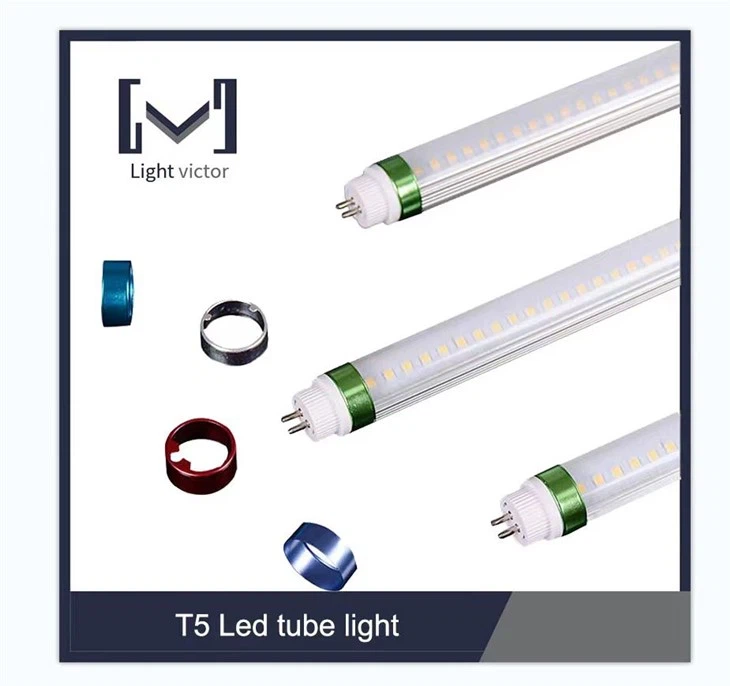
Now, let's talk about how G5 pin T8 bulbs stack up against other lighting options in cold temperatures. Take T5 LED Integrated Tube Light for example. LED lights, in general, perform much better in cold temperatures than traditional fluorescent bulbs like G5 pin T8. LEDs don't rely on gas ionization to produce light, so they don't have the start - up issues that fluorescent bulbs do. They can turn on instantly, even in freezing conditions.
T5 LED Tube Lights also have a more consistent light output in cold temperatures. Their light output is less affected by temperature changes because the semiconductor materials used in LEDs are not as sensitive to cold as the phosphors in fluorescent bulbs.
LED T5 Integrated Double Tube Light With Reflector is another great option. These lights offer high energy - efficiency and excellent light distribution, and they maintain their performance in cold environments. They also have a much longer lifespan than G5 pin T8 bulbs, which means less frequent replacements.
Real - World Examples
I've had customers who use G5 pin T8 bulbs in warehouses and cold storage facilities. In these places, the temperatures can drop quite low, especially during the winter months. Many of them have reported issues with slow starts and reduced light output. But after trying some of the solutions I mentioned, like using pre - heat ballasts and insulation, they've seen a significant improvement in the bulbs' performance.
However, some customers have also made the switch to LED lighting, like the T5 LED options I mentioned earlier. They've found that the instant start, consistent light output, and longer lifespan of LEDs are well worth the initial investment.
Should You Still Consider G5 Pin T8 Bulbs?
Despite the challenges in cold temperatures, G5 pin T8 bulbs still have their place. They're often more affordable than LED options, especially if you're on a tight budget. They also have a wide range of applications and are compatible with many existing lighting fixtures.
If you're using them in an environment where the temperature doesn't drop too low or for short periods, the performance issues might not be too severe. And if you take the necessary steps to improve their performance in cold conditions, they can still be a viable lighting solution.
Conclusion
So, there you have it. G5 pin T8 bulbs do face some challenges in cold temperatures, including delayed starts, reduced light output, and a shorter lifespan. But with the right precautions, you can help them perform better. And if you're looking for a more cold - resistant option, LED lighting like T5 LED Integrated Tube Light, T5 LED Tube Lights, and LED T5 Integrated Double Tube Light With Reflector are definitely worth considering.
If you're interested in purchasing G5 pin T8 bulbs or have any questions about their performance in cold temperatures, feel free to reach out. I'm here to help you make the best lighting choices for your needs. Whether you're a homeowner looking to light up your garage or a business owner in need of warehouse lighting, we can work together to find the right solution.
References
- "Fluorescent Lamp Technology" by Lighting Research Center
- "LED Lighting Handbook" by Illuminating Engineering Society