

Is it necessary to remove the old ballast for an LED T5 retrofit?
Jul 03, 2025
When it comes to upgrading lighting systems, LED T5 retrofit is a popular choice for many businesses and homeowners. One common question that arises during the retrofit process is whether it is necessary to remove the old ballast. As a supplier of LED T5 retrofit products, I've encountered this query numerous times and believe it's essential to provide a comprehensive answer.

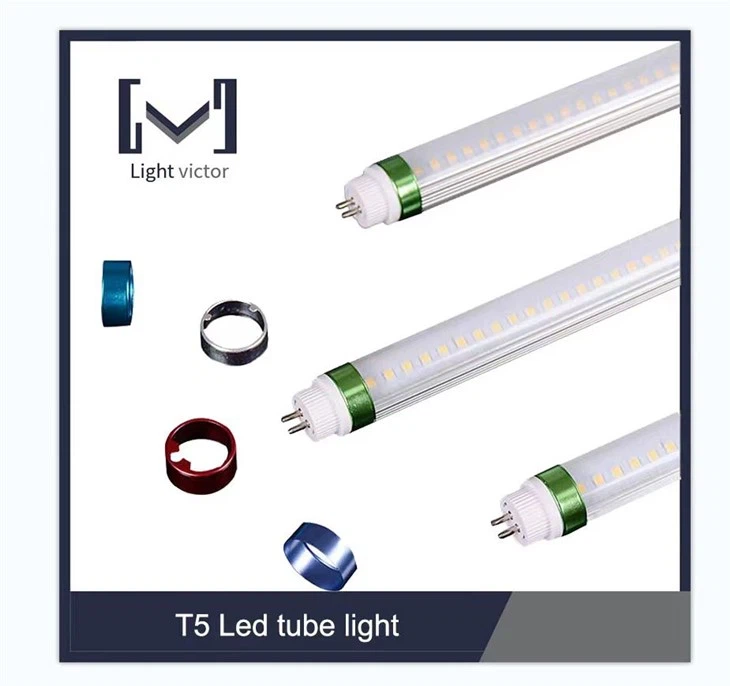
Understanding the Role of Ballasts in Traditional Lighting
Before delving into the necessity of removing the old ballast, it's crucial to understand what a ballast does. In traditional fluorescent lighting systems, such as T5 and T8 tubes, ballasts play a vital role. They regulate the current flowing through the fluorescent tube, ensuring stable operation. When the light is turned on, the ballast provides a high-voltage pulse to start the arc within the tube. Once the arc is established, the ballast limits the current to prevent the tube from overheating and burning out.
However, LED technology operates differently. LEDs are solid-state lighting devices that require a constant direct current (DC) to function. Unlike fluorescent tubes, they do not rely on an arc to produce light. Instead, they emit light when electrons recombine with electron holes within the semiconductor material.
Types of LED T5 Retrofit Approaches
There are two primary approaches to LED T5 retrofit: ballast-bypass and ballast-compatible.
Ballast-Bypass Retrofit
In a ballast-bypass retrofit, the old ballast is removed from the fixture, and the LED T5 tubes are wired directly to the line voltage. This approach offers several advantages. Firstly, it eliminates the need to rely on the aging ballast, which can be a common source of failure in fluorescent lighting systems. Ballasts can degrade over time, leading to flickering lights, reduced lumen output, and increased energy consumption. By removing the ballast, you can avoid these issues and ensure a more reliable and efficient lighting solution.
Secondly, ballast-bypass retrofit can result in significant energy savings. Since the LED T5 tubes are connected directly to the power source, there is no energy loss associated with the ballast. This can lead to lower electricity bills and a reduced carbon footprint.
Finally, ballast-bypass retrofit simplifies the installation process. Without the ballast, there are fewer components to work with, making the wiring connections more straightforward. This can save time and labor costs, especially for large-scale retrofit projects.
Ballast-Compatible Retrofit
In a ballast-compatible retrofit, the old ballast is left in place, and the LED T5 tubes are designed to work with the existing ballast. This approach is often preferred when the ballast is relatively new and in good condition. It allows for a quick and easy retrofit without the need for extensive rewiring or ballast removal.
However, ballast-compatible retrofit also has its limitations. Firstly, it may not be as energy-efficient as ballast-bypass retrofit. Since the ballast is still in use, there is some energy loss associated with its operation. Additionally, the performance of the LED T5 tubes may be affected by the characteristics of the ballast. Some older ballasts may not provide the optimal electrical conditions for the LEDs, resulting in reduced lumen output or premature failure.
Secondly, ballast-compatible retrofit may require more maintenance in the long run. As the ballast ages, it may start to malfunction, leading to issues with the LED T5 tubes. This can increase the overall maintenance costs and downtime of the lighting system.
Factors to Consider When Deciding Whether to Remove the Old Ballast
When deciding whether to remove the old ballast for an LED T5 retrofit, several factors should be considered.
Age and Condition of the Ballast
If the ballast is old or showing signs of failure, such as flickering lights, humming noises, or reduced lumen output, it is generally recommended to remove it. An aging ballast can pose a risk to the performance and lifespan of the LED T5 tubes. By replacing the ballast with a direct wiring connection, you can ensure a more reliable and efficient lighting solution.
On the other hand, if the ballast is relatively new and in good condition, you may choose to leave it in place. However, it's important to note that even new ballasts can fail over time, so it's still a good idea to monitor their performance regularly.
Type of LED T5 Tubes
Not all LED T5 tubes are compatible with ballasts. Some LED T5 tubes are designed specifically for ballast-bypass retrofit, while others are ballast-compatible. Before purchasing LED T5 tubes, it's essential to check the product specifications to ensure they are suitable for your retrofit approach.
If you choose to go with a ballast-bypass retrofit, make sure the LED T5 tubes are rated for direct connection to the line voltage. If you opt for a ballast-compatible retrofit, ensure that the tubes are compatible with the type of ballast in your fixture.
Installation Complexity
The complexity of the installation process is another important factor to consider. Ballast-bypass retrofit typically requires more electrical knowledge and skills since it involves removing the ballast and rewiring the fixture. If you are not experienced in electrical work, it may be best to hire a professional electrician to perform the installation.
On the other hand, ballast-compatible retrofit is generally simpler and can be completed by most DIYers. However, it's still important to follow the manufacturer's instructions carefully to ensure a safe and proper installation.
Energy Efficiency Goals
If energy efficiency is a top priority for your retrofit project, ballast-bypass retrofit is the way to go. By eliminating the ballast, you can reduce energy consumption and lower your electricity bills. Additionally, many utility companies offer rebates and incentives for energy-efficient lighting upgrades, which can further offset the cost of the retrofit.
Our LED T5 Retrofit Products
As a supplier of LED T5 retrofit products, we offer a wide range of options to meet your specific needs. Our T5 LED Tube Lights are designed for both ballast-bypass and ballast-compatible retrofit applications. They are available in various lengths, wattages, and color temperatures to provide the perfect lighting solution for any space.
In addition to our standard T5 LED tubes, we also offer T8 G5 Pin LED Tube Light and LED T5 Integrated Double Tube Light With Reflector. These products are designed to provide high-quality, energy-efficient lighting with easy installation and long-lasting performance.
Conclusion
In conclusion, whether it is necessary to remove the old ballast for an LED T5 retrofit depends on several factors, including the age and condition of the ballast, the type of LED T5 tubes, the installation complexity, and your energy efficiency goals. While ballast-bypass retrofit offers many advantages, such as increased reliability, energy savings, and simplified installation, ballast-compatible retrofit can be a viable option in certain situations.
If you are considering an LED T5 retrofit for your lighting system, we encourage you to contact us to discuss your specific needs. Our team of experts can provide you with detailed information and guidance to help you make the best decision for your project. We look forward to working with you to provide a high-quality, energy-efficient lighting solution that meets your expectations.
References
- DOE Lighting Facts. (n.d.). LED Lighting Basics. Retrieved from U.S. Department of Energy Website
- Lighting Research Center. (n.d.). LED Lighting: A Guide for Commercial Buildings. Retrieved from Rensselaer Polytechnic Institute Website